

Sign up for offers, exclusive invitations, expert tips, & more.

Learn how to prepare, what happens during your appointment, and how we keep your waxing experience clean, comfortable, and stress-free.
Learn more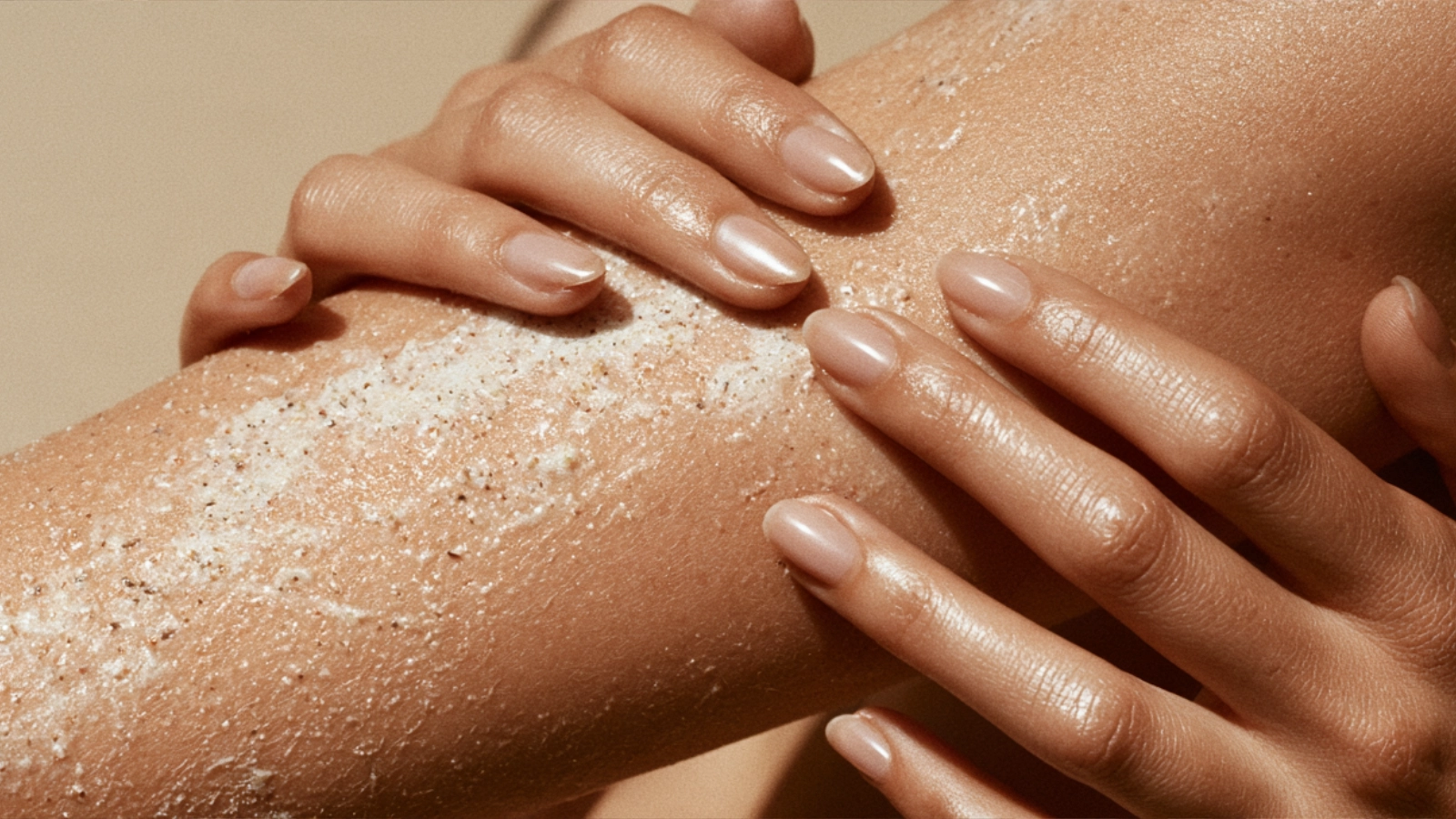
Those annoying bumps after waxing have a name and a fix. Here's why they happen and how to avoid them.
That small bump, sometimes red or with a little white dot, that shows up days after waxing: that's an ingrown hair. It's one of the most common annoyances and, luckily, one of the most preventable once you understand why it happens.
An ingrown hair happens when new hair growth fails to break through the skin's surface straight. Instead, it curls back inward or gets trapped under a layer of skin, causing inflammation, redness, and sometimes a small pimple-like bump.
When there's too much dead skin on the surface, it acts like a barrier that stops new hair from growing straight out. This is the number one cause, and also the easiest to control.
Areas like the bikini line or beard have hair that's naturally more prone to curling, which increases the risk regardless of how well the wax was done.
Constant friction from tight clothing (leggings, snug underwear) can push new hair growth back inward while skin is still sensitive.
A bad wax application — pulling in the wrong direction, going over the same area repeatedly — can snap the hair mid-shaft instead of pulling it from the root, making it more likely to grow back crooked.
Exfoliate 2-3 times a week, starting 2 days after your session (never right after). This keeps the path clear for new hair to grow out.
Wear loose clothing for the first 24-48 hours after waxing, especially for the bikini area or legs.
Moisturize daily. Well-hydrated skin makes it easier for hair to push through the surface without getting trapped.
See a trained specialist. Correct wax application and removal technique drastically reduces the risk, especially over repeated sessions.
Don't shave between sessions. Mixing shaving with waxing confuses your hair growth pattern and increases the odds of ingrown hairs.
Don't pick at it or try to dig it out with a needle at home. Apply gentle heat (a warm compress) to help reduce inflammation, exfoliate gently around it (not directly on the bump), and give it time. If it persists for more than a week or looks infected, see a dermatologist.
With a consistent exfoliation routine and proper waxing technique, ingrown hairs can be prevented in the vast majority of cases. If this is a recurring issue for you, let us know at your next appointment, we can adjust the technique for your hair and skin type.
Keep reading

It's not just about looks. Here's why so many cyclists wax their legs and arms, and what to expect from your first session.
Read more
Not every area grows at the same pace. Here's how often you should actually book, by area.
Read more
First time waxing? Here's what to know before your appointment: areas, what to expect, and how to prep.
Read more
When should you wax before your trip? Here's the exact timing and skincare steps to arrive beach-ready with no irritation.
Read more
Does hair grow back thicker? Does it hurt too much? We debunk the 5 myths we hear most often about waxing.
Read more
It's not wax versus threading, it's knowing which one to use where. Here's what works best for brows, bikini, legs and more.
Read more